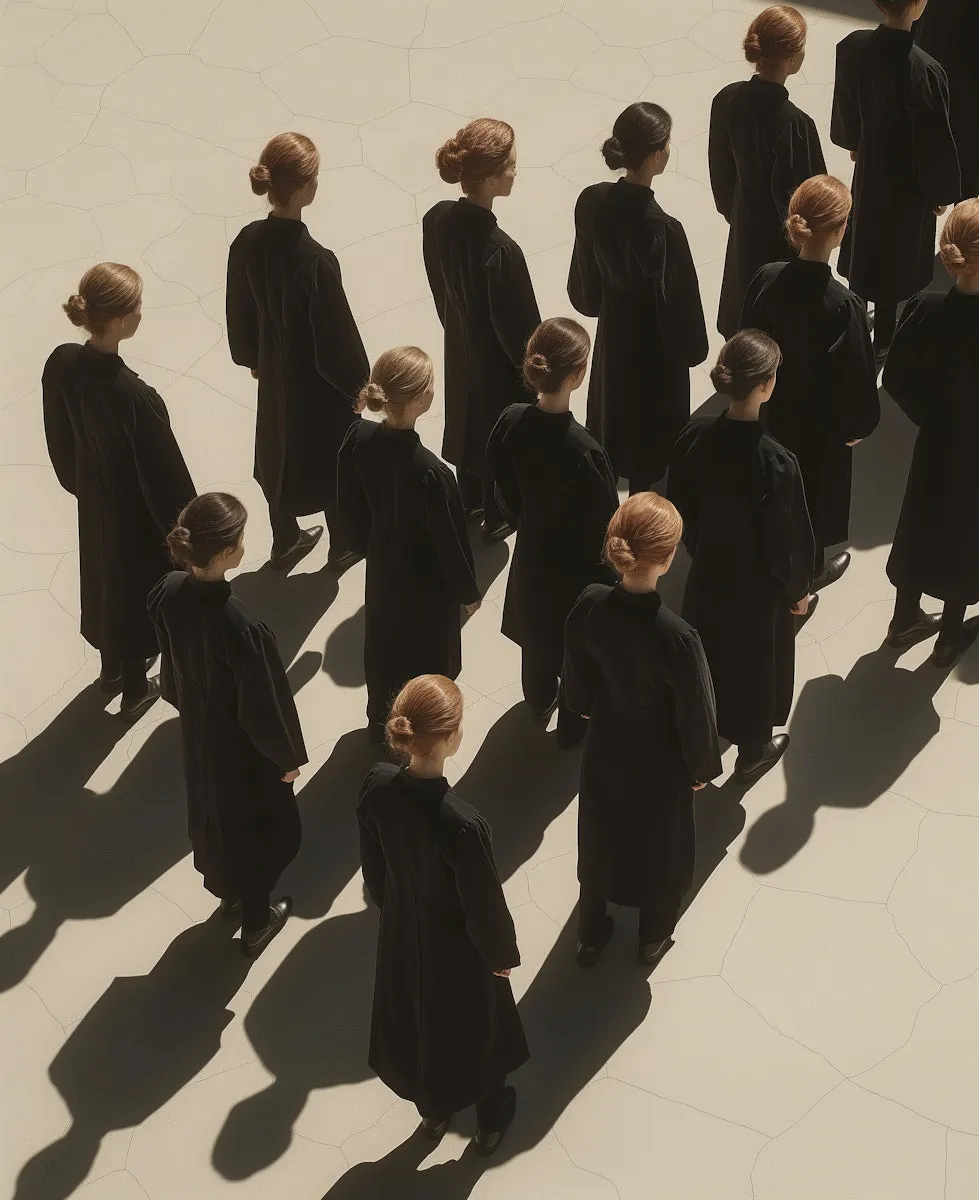
The raw, unfiltered founding story behind World On Purpose.
The mental health crisis, the loneliness epidemic, the climate emergency: what if they all share the same root cause?
We’ve lost touch with our true nature.
The systems around us were designed to make us productive, not conscious. They taught us everything except the most foundational subject: ourselves. How to check boxes, not how to ask who we are and what we truly want. How to optimize the mind, while ignoring the body, the heart, and the soul.
You know the feeling. Thinking the next goal will finally make you happy. Get into college, land the job, get the promotion. But you reach each one and the feeling is still there.
We’ve been living on autopilot, following instructions instead of listening within. And when you’re disconnected from yourself, you can’t show up for anything else. Not for your friends. Not for the planet.
But a shift is happening. A generation is waking up to the truth ancient wisdom has been whispering for thousands of years: to change the world, we must first be the change. The path forward isn't out there. It's within. And it begins the moment we stop reacting and start asking better questions.
Some people reach a point where they either break down or wake up. This is the raw, uncut story of how I did both.
ORIGIN STORY [10 MIN READ]
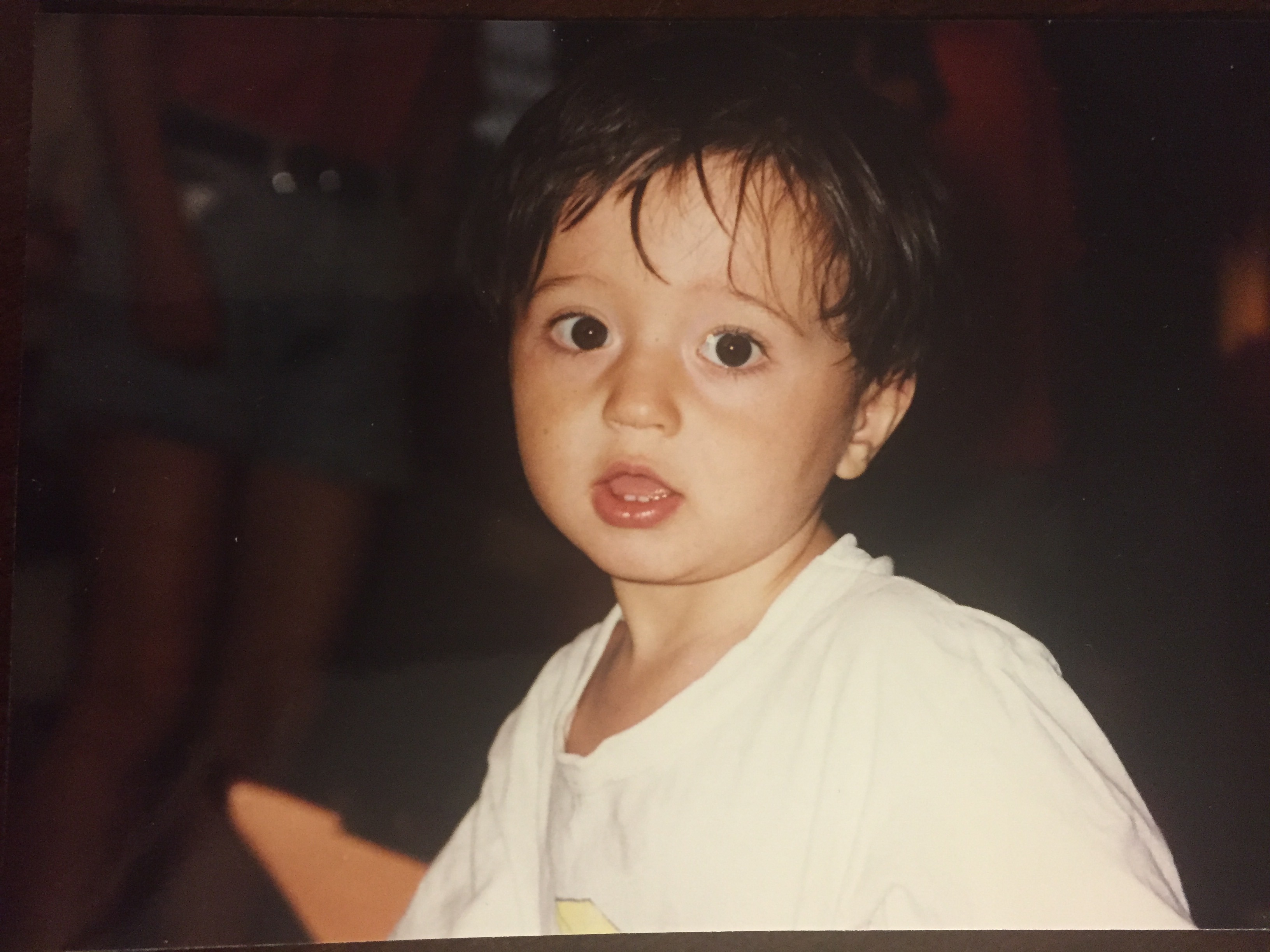
The new kid. Again. Year after year. New York City to a ski town in Canada to Montreal, always the outsider, always searching for somewhere to belong.
I found it in sports. Basketball became more than a game, it became an anchor, an identity, a direction to walk. Wake up. Practice. Train. Study tape. Repeat. Lie in bed at night bouncing a tennis ball off the ceiling, over and over. Fall asleep imagining the perfect jumpshot. The rhythm of discipline. The clarity of purpose. The evidence of growth.
And then: a provincial championship. My team, one goal, proof that I belonged somewhere.
Until the injury.
One wrong landing. Torn ligaments. And just like that, the thing I’d built my whole sense of self around was gone.
When basketball was stripped away, I scrambled to fill the void. If not a basketball player, then an athletics trainer. If not that, then… what? Who?
College became a pressure cooker. No role models. No support system. Family collapsing under the weight of a devastating divorce. Inner pressure to succeed. Depression I couldn’t name, wouldn’t admit, wrapping around me like fog.
And then, one more stressful call from my college apartment. I hung up, and before I could think, my fist went through my glass balcony door. Blood on my hands. Shards everywhere.
I looked down at my bleeding knuckles and a silent voice spoke inside me: Is this the man you want to be?
The question cut through everything: Is this who you want to be?
Not what do you want to do. Not what should you major in, what job should you get, what boxes should you check. But who, who do you want to be?
Alone in that college apartment, surrounded by glass on the floor, I made a choice that would echo through the next decade of my life. I decided to show up for myself. Not as an athlete. Not as a degree or a job title or someone’s son managing their divorce. But as the architect of my own character.
I discovered a journaling exercise from a sports psychologist I’d been following. It asked me to envision the qualities I wanted to embody, not what I wanted to achieve, but who I wanted to be. And from it, I crafted my first mantra: Calm. Collected. Champion. It would evolve over the years, Daring. Caring. Dancing, but that first version saved my life.
Not a championship trophy. Not external validation. But qualities. Virtues. Ways of being that came from the inside out.
For the first time, I stopped asking “What should I do?” and started asking “How do I want to show up?”
That shift, that pivot from doing to being, opened a door I didn’t know existed.
Fast forward two years. New York City. Management consulting. Chasing the “right project” that would give my life meaning. And then, at 25, another foundation pulled out from under me: the revelation that my mom wasn’t my biological mother. Twenty-five years of my DNA story rewritten in a single conversation.
And something unexpected happened. Instead of feeling lost, I went deeper into myself. This doesn’t change who I am. Identity isn’t biology. Identity isn’t what you’re given, it’s what you choose. Who you are isn’t written in your genes or your career or your past. Who you are lives in your virtues, your way of being, your essence, what Aristotle called your telos, your purpose.
I kept reading. Kept searching. Moved through the corporate world, working alongside ambitious people solving important problems. My consulting work took me from CEOs and global leaders addressing sustainability crises to local initiatives tackling the striking inequality in New York City.
Meaningful work. Important work. Work that mattered.
And yet, no one was talking about the inner crisis I saw everywhere. Everyone focused on credentials, skills, and knowledge. But what about inner skills? What about the relationship to self that determines whether someone thrives or crumbles under pressure? What about the level of consciousness that shapes how we show up, how we lead, how we live?
I started running workshops directly with young people. And in their eyes, I saw myself. Lost. Directionless. Disconnected. Scrolling through life on autopilot, checking boxes that meant nothing, chasing dreams that felt hollow.
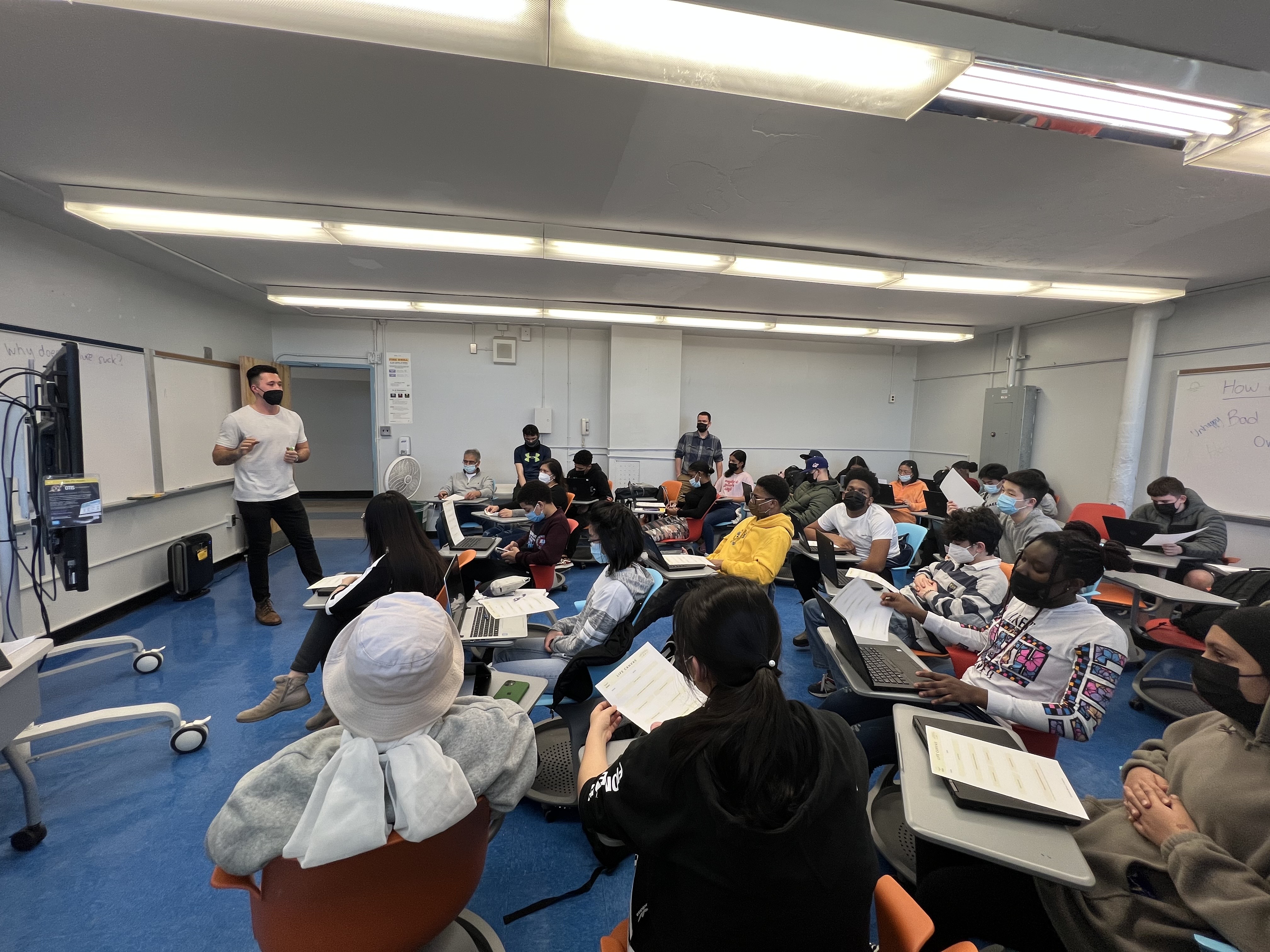
Some were thriving by every measure, good job, good salary, impressive resume, but dying inside. Others knew exactly what they wanted but couldn’t make themselves do it. The script was broken, but no one was questioning the script itself.
Around this time, I stumbled upon research that stopped me cold. A study by Shai Davidai and Thomas Gilovich revealed that 76% of people’s deepest, most enduring regrets come from failures to pursue their ideal self, their hopes, dreams, aspirations. Not their obligations. Not their duties. But the person they knew they could become and never did.
Three in four people regret their lives on their deathbeds.
The statistic haunted me. I saw it everywhere, in the eyes of the partner at my consulting firm who’d spent decades in a career she’d fallen into by accident, never questioning if it was what she truly wanted. In the ambitious young professionals grinding toward goals that would never fulfill them. In my own reflection during those dark college nights.
Socrates had said it 2,500 years ago: “The unexamined life is not worth living.” Psychology had proven it: people are at their best when intrinsically motivated, driven by internal desire rather than external pressure. And yet the entire world seemed designed to keep people from examining anything at all. Just scroll. Just make money. Just check the boxes. Don’t ask why.
Everywhere I looked: people living unconsciously. People reacting instead of responding. People trapped in desires manufactured by the latest marketing trends, wealth generation without fulfillment, productivity without purpose, connection without depth.
The headlines told the story: youth mental health crisis. Loneliness epidemic. Quiet quitting. A generation drowning in distraction, overstimulation, algorithmic living that promised everything and delivered emptiness.
And beneath it all, a simple truth that ancient wisdom had been whispering for thousands of years: We are disconnected from ourselves.
I couldn’t unsee it. The mental health crisis wasn’t about anxiety and depression, it was about consciousness. It was about people living on autopilot, controlled by unconscious patterns, never asking the questions that actually mattered: Who am I? What do I actually want, not what I should want? How do I get off autopilot and start living on purpose?
I quit my job.
The vision didn’t arrive in a dream with perfect clarity, it gradually emerged as a pull I couldn’t ignore, a knowing deep in my gut. I distilled it into four words: A world on purpose.
Empower people to live on purpose. Help them reach beyond survival, beyond material achievement, toward self-actualization and transcendence, the higher reaches of human potential that Maslow mapped but most people never touch.
Not through another app promising productivity. Not through another framework for external success. But through self-discovery. Through the ancient practice of looking inward. Through what the Vedic texts called dharma, what Aristotle called telos, what modern psychology was finally catching up to: the truth that our only calling is to be our true selves at the best of our current ability, which never stops expanding.
The stakes? Picture this:
You wake up, speak to your phone before your eyes fully open. An AI has already planned your day, chosen what you’ll eat, filtered what you’ll see, predicted what you’ll want before you know you want it. You go through the motions, work tasks automated, relationships reduced to swipes and likes, decisions outsourced to algorithms that know you better than you know yourself.
You’re efficient. You’re optimized. You’re successful by every metric.
And you’re completely, utterly empty. Because you’ve forgotten how to choose. How to feel. How to be. You can’t remember the last time you made a decision from your gut instead of from an AI recommendation. You can’t remember the last time you felt truly alive.
That future isn’t science fiction. It’s next year if we don’t wake up.
With AI and automation accelerating, with technology making it easier than ever to outsource agency and forget who we are, we’re standing at a crossroad. One path leads to deeper disconnection, humans going through the motions and living on autopilot. The other leads to what many are now calling a Great Awakening, a generation that reclaims consciousness, that uses technology to deepen awareness rather than escape it, that measures success not in what they accumulate but in how consciously they live, connect, and contribute.
I had tasted the first path, the scrolling, the numbing, the unconscious reactions, the empty achievement. I refused to experience what waited at the end of that road.
Today, powerful forces are actively pulling us away from ourselves and each other. Disconnection is happening at scale. But the future we are headed towards isn’t inevitable. We get to choose.
What if millions of people start taking ownership of their inner lives, building healthy relationships with themselves, connecting to their true nature, living on purpose? A world where we all show up consciously.
That’s a world worth building.
Six months after quitting my job, I was flat on my back, barely able to move. A spine injury from sports. The universe, it seemed, had decided to test my commitment in the most brutal way possible.
For nine months, I lived in my uncle’s storage apartment in Queens, New York, an old studio apartment full of historical books on floor-to-ceiling shelves lining every wall, a mattress on the floor, dust everywhere, holes in the walls. I taught myself basic coding. Hacked together prototypes. Built quiz after tool after app, trying to create accessible pathways to self-discovery. Trying to reach people, to inspire people to look inwards and design their own lives.
Eventually, the best doctor I could find finally told me. It was time to hang up the towel and get surgery.
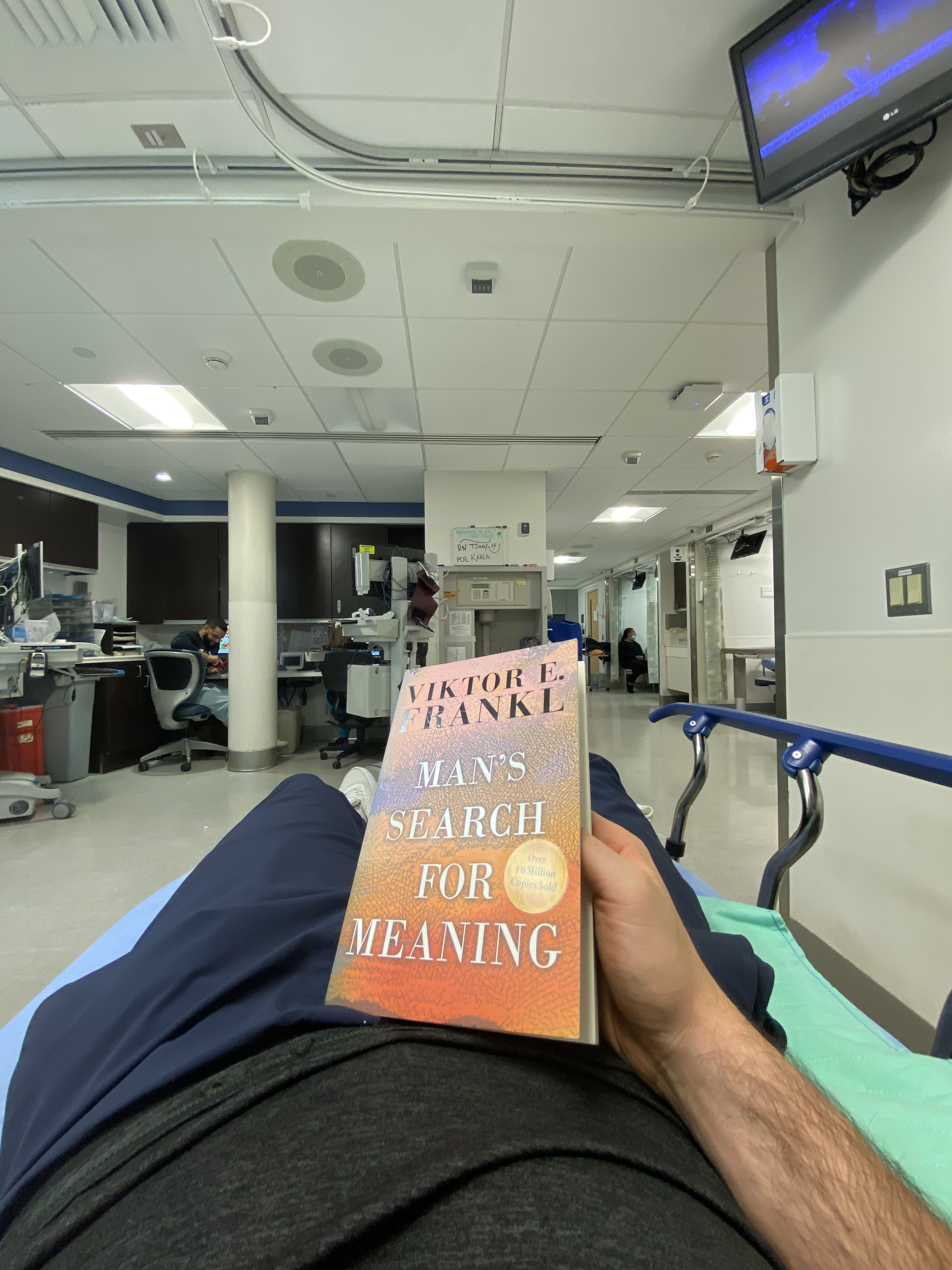
Nine months. Then surgery. Then recovery. And through it all, the voice in my head asking: What am I doing? Is this worth it? Should I just get a job?
A job offer arrived. Good money. Checked all the boxes. Financial security after depleting my savings on medical bills, after burning through everything chasing this vision.
I stared at the offer. Felt a knot in my stomach. And said no.
Because by then, it wasn’t a choice anymore. This was my telos. My purpose. I would rather fail at THIS than succeed at anything else.
Then, the bug infestation. Holes in the walls became highways for ants and cockroaches. The storage apartment became uninhabitable. I moved back into New York City, working harder than ever with the pressure to cover rent, pouring everything into building Telos, the product named after Aristotle’s concept of purpose. The telos of an acorn to become an oak tree. The telos of a human being to reach full self-expression.
In a sprint to make the business sustainable, every door I tried to open slammed shut. Markets shifted and employers who understood the mission either lost their budget or were personally laid off. Partnerships that seemed promising evaporated. An investor who said “I’m good for the money, just figuring out where to send it from”, $100,000 that would have bought me breathing room, ghosted completely.
And then the money ran out.
My bank accounts and savings hit zero. Then I started burning through my retirement funds, every account, every safety net. Thresholds I swore I’d never cross, crossed. All in. Literally all in.
Each failure stripped away another illusion. Each closed door revealed what actually mattered. Each loss taught me to hold my vision more tightly and my plans more lightly.
The tests kept coming. But between them, when I had space to breathe, the pieces I’d been collecting for years started clicking into place.
I discovered Ken Wilber’s integral psychology, and for the first time, saw a framework that held everything I’d been studying for a decade in one place: neuroscience, positive psychology, Eastern philosophy. The scientific and the spiritual, not opposed but unified. Different languages for the same truth. It was like finding a map for a territory I’d been walking through blind.
I learned about the Inner Development Goals, a global framework recognizing that to change the world, we must first BE the change. That the Sustainable Development Goals mean nothing if we’re not developing inwardly, growing in consciousness, becoming more of who we truly are. I saw this firsthand as a Global Shaper of the World Economic Forum, witnessing today’s changemakers committed to building a better future through the Sustainable Development Goals but struggling to navigate their own inner world and burning out in the process.
Then came Bali.
I boarded a plane with two friends. Five weeks. Never been before. Just a little adventure and remote work for a month.
Something about the energy there, the openness to growth, the community of seekers, the jungle and rice fields with ancient temples, was inviting me to stay longer. As I journaled about it, I realized I could stretch my last bit of savings five times further here. I could keep building. I could go deeper in my own self-discovery.
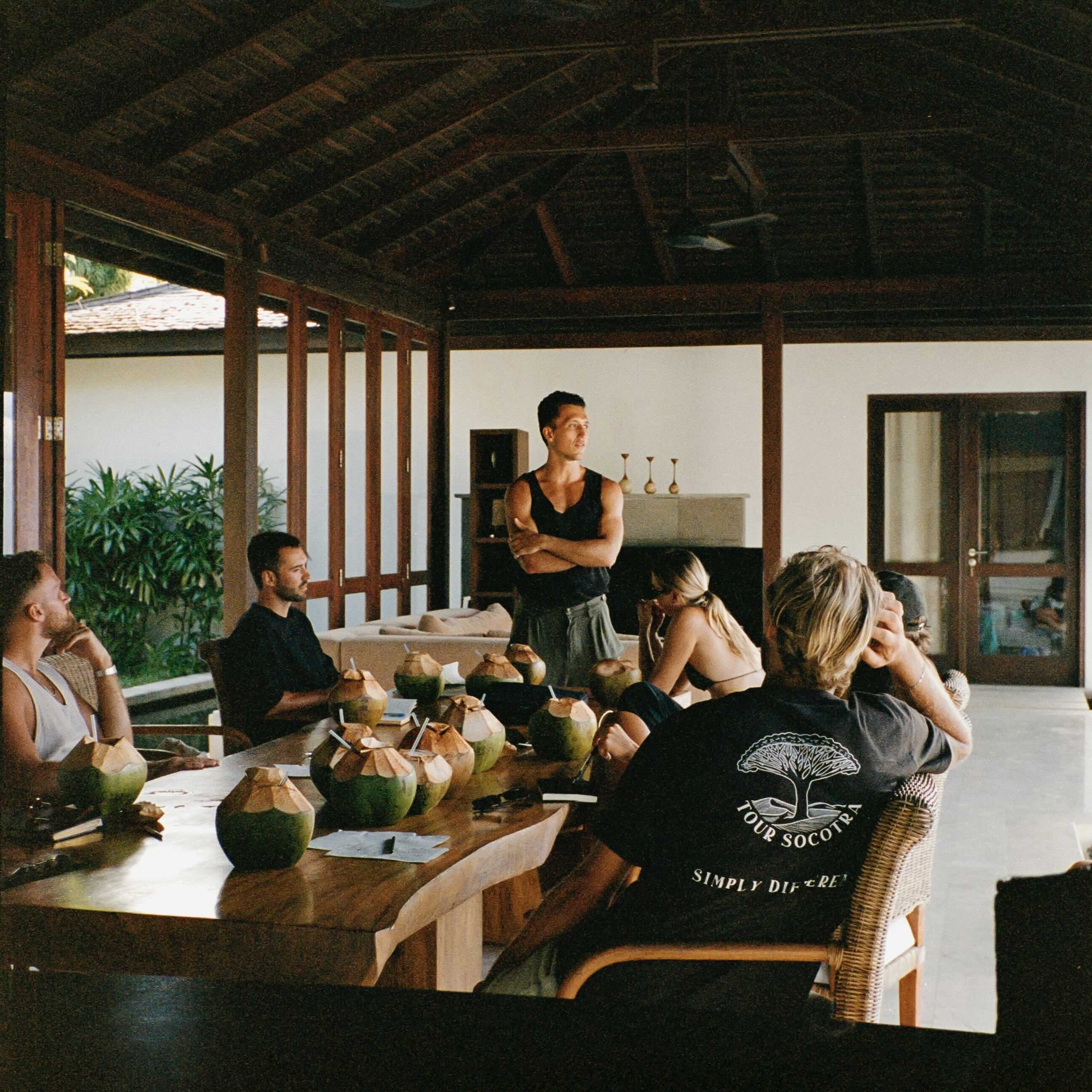
I never got on the return flight.
I stayed nine months. Improved the app. Created a physical journal. Held journaling workshops and studied the science of breathwork.
Moving across the world was my first real surrender experiment, a conscious choice to loosen my grip on life and start trusting the signs on this journey I was on.
Then India called.
The land where they’ve been studying consciousness for 5,000 years. Where saints have achieved self-realization and documented the path. Where some give hugs to thousands every day, and others you’d walk by on the street and never notice. Where Ramana Maharshi sat in the caves of a holy mountain asking one question: Who am I? And found enlightenment by discovering he was not his thoughts, not his body, not his story, but pure awareness itself.
I jumped on a one-way flight. Started studying the lives and teachings of saints. Spent days in silence. Attended satsangs, gatherings where seekers sit with spiritual teachers and ask the questions that matter most, at some of the most sacred places in India. I listened and joined the conversation. TED Talks for Saints, I started calling them.
And here, the path of self-discovery that began in that college apartment led me exactly where it always leads when you go deep enough: to spirituality. To a direct experience of what we truly are.
There were moments, sitting in meditation, walking through ancient temples, chanting mantras alongside chaotic Indian streets, where the character of “Oren” would fade. The story of my life, my identity, the steady stream of thoughts would all pause. Life continued to move but I felt completely still. A sense of peace would take over.
The moment would pass and I’d slip back into thought, into my character, into the plans for the day. But I would always smile, knowing I was just starting to taste something that no words could capture. The sacred within. The universal intelligence that animates everything. The truth that had always been there, hidden in plain sight.
And this deepened everything. The sages didn’t promise a life without pain, they said the opposite. Light and dark aren’t problems to solve. They’re the duality of our world and the reality of being alive. What changes isn’t whether you suffer. It’s whether you’re awake when you do. That realization shifted everything about the mission: it wasn’t about helping people escape the hard parts of life. It was about helping them meet all of it, joy, grief, confusion, wonder, with their eyes and hearts open.
All the pieces were coming together. Not just ideas about consciousness, but lived experience of it. And with that experience came a clarity I couldn’t ignore: this wasn’t about me anymore. This was a spiritual revolution that had already started.
It was about every person I’ve met, and millions more, who already sense that there has to be more to life than healthy routines and stable jobs. Who’s tired of living on autopilot. Who’s ready to wake up and feel inspired again, whether they’re succeeding by metrics that feel hollow, or struggling to find any direction at all.
The message is ancient. But it’s our turn to live it. To awaken. To grow. To align with our true nature, whether we call it purpose, dharma, consciousness, god, or simply life on purpose.
And me? It was clearer than ever. I was on my life’s mission and I needed to keep building.
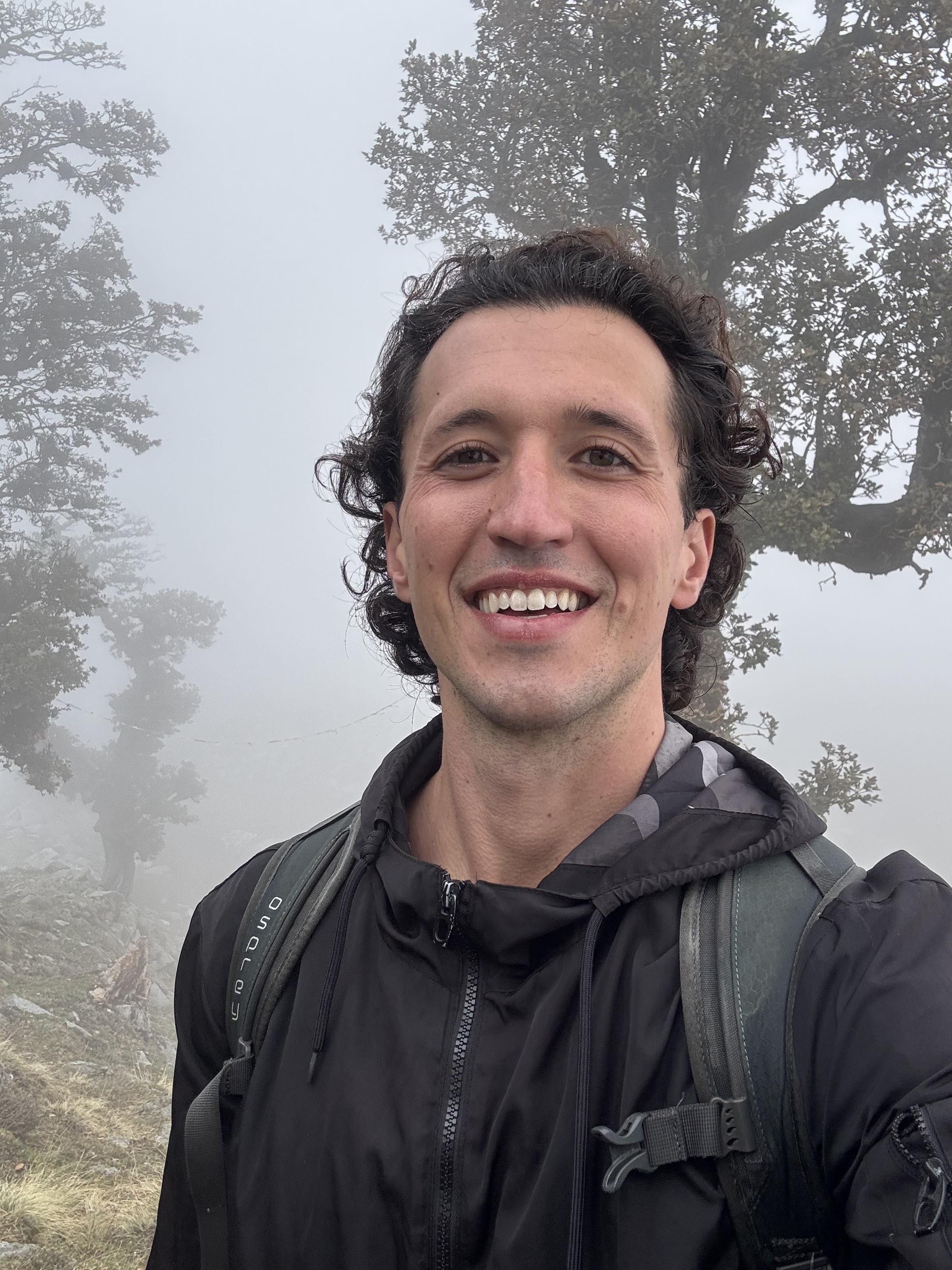
Today, I'm still traveling, building from wherever I am, at the intersection of positive psychology, philosophy, and spirituality. A decade of preparation has led me to this moment: 2026 is the year we share our mission and take bold action alongside others who share it.
Every failure taught me what people actually need. Every setback stripped away what didn't matter. And what I kept returning to was the same gap: people have access to more self-help content than ever, yet most still feel lost, reactive, disconnected from themselves. The problem was never a lack of information. It was the absence of inner guidance, the kind that helps you discover who you are across mind, body, heart, and soul, and meets you wherever you are on that self-discovery path.
World On Purpose aims to bridge that gap. A human development company, informed by modern psychology and timeless wisdom, that empowers young people to wake up, grow up, and show up. Through workshops that build inner skills in real time. A pocket journal designed to replace the phone in slower moments of the day. And Telos, a first-of-its-kind app for self-discovery, where you build an Intrinsic Profile of your virtues, vision, goals, and habits, and return to it through weekly rituals, guided tools, and an AI trained to ask better questions rather than give answers.
This is just the beginning. World On Purpose is open to every form that serves the mission, from transformational retreats to reimagining social technology that connects people through values rather than vanity.
And I understand now more than ever, this was never just my story. It's the story of a world ready to get off autopilot. Ready to build from the inside out. Ready to live on purpose, in a moment that desperately needs people who are conscious, creative, and compassionate.
And you, if you're reading this and feeling that pull, that whisper of yes, you're already a part of the movement.
Purpose isn’t something you find out there. It’s something you discover within. In the stillness. In the reflection. In the daily practice of choosing presence before productivity, authenticity over performance, creativity over consumption, love over fear.
This is your invitation. To get off autopilot, and start living on purpose. To be the change you want to see in the world.
If I can play a role, or be a catalyst in your journey, click my name below and message me.
A world on purpose starts with each of us.
On purpose,
Oren Hodes